
$253,687.00
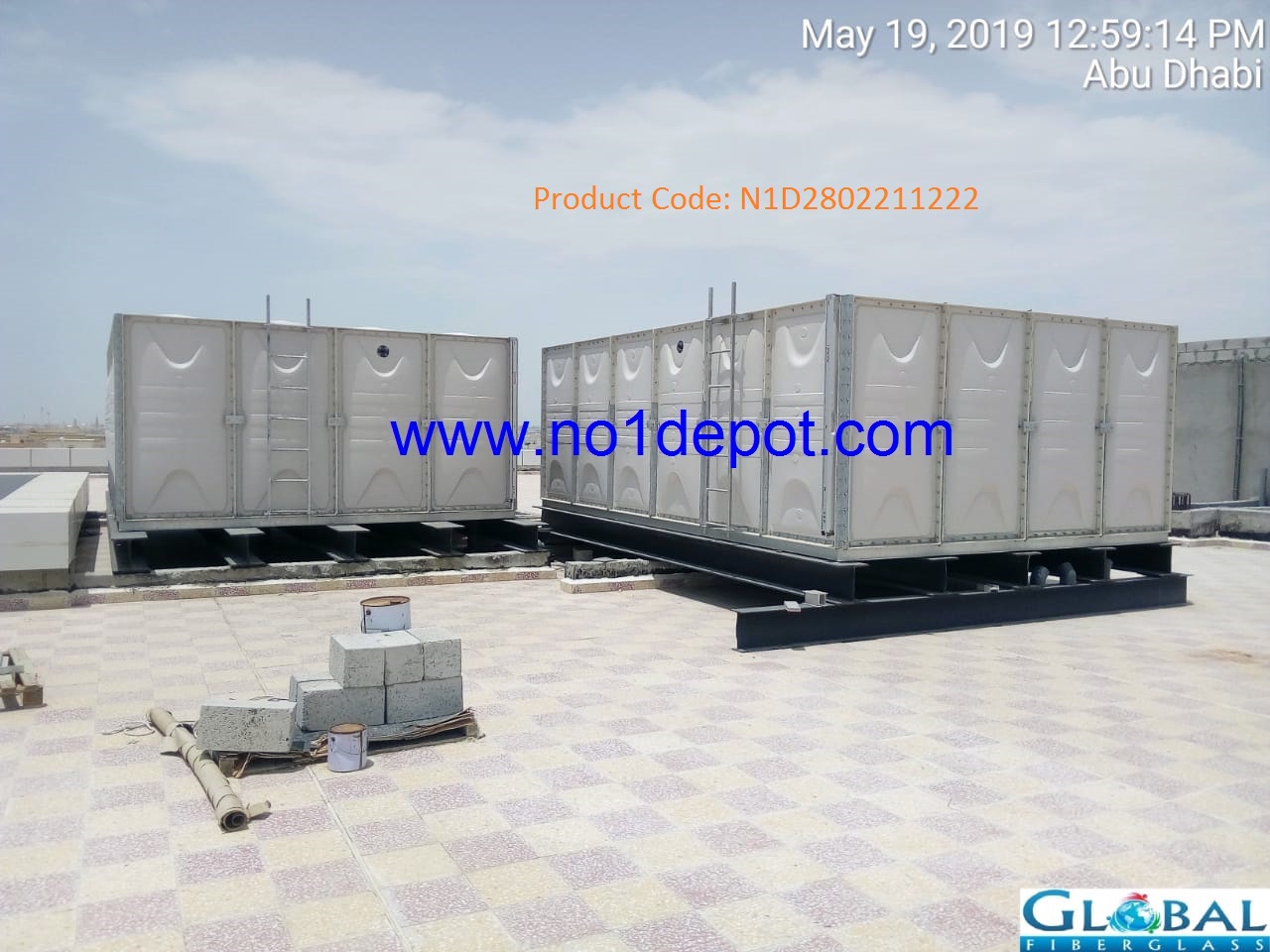
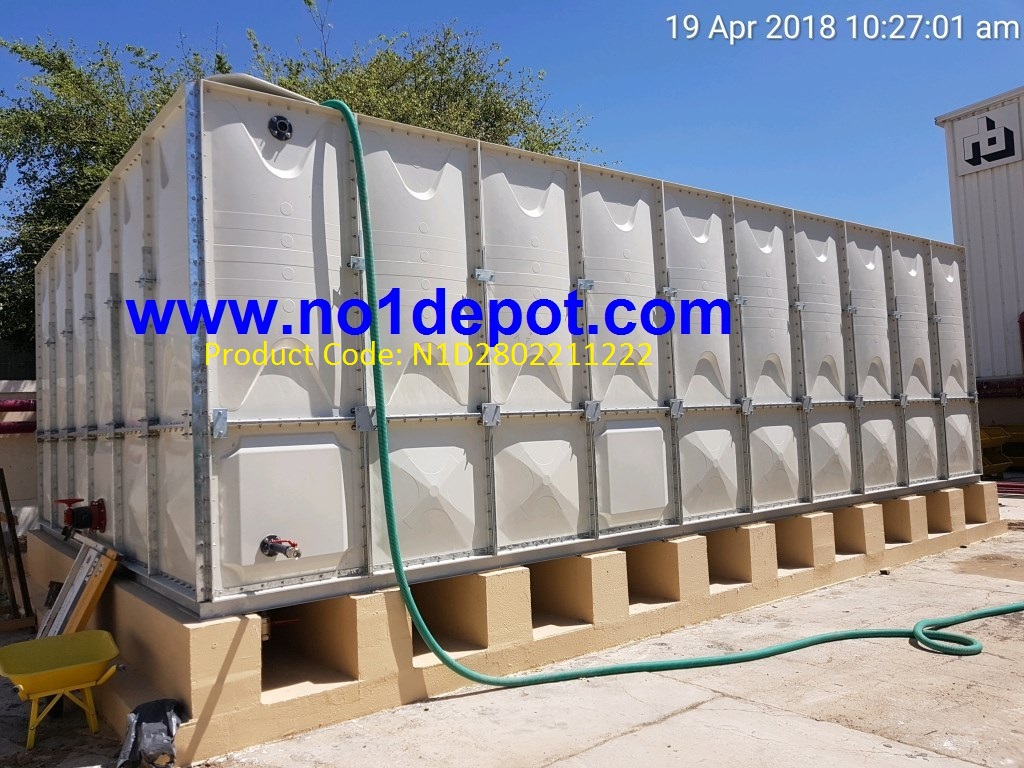
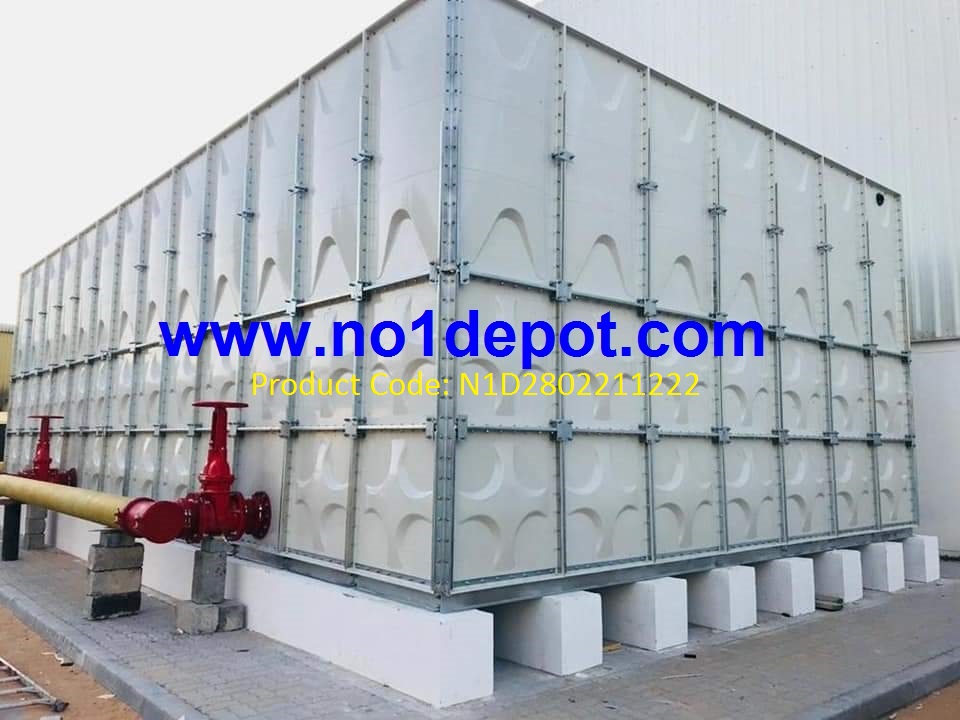
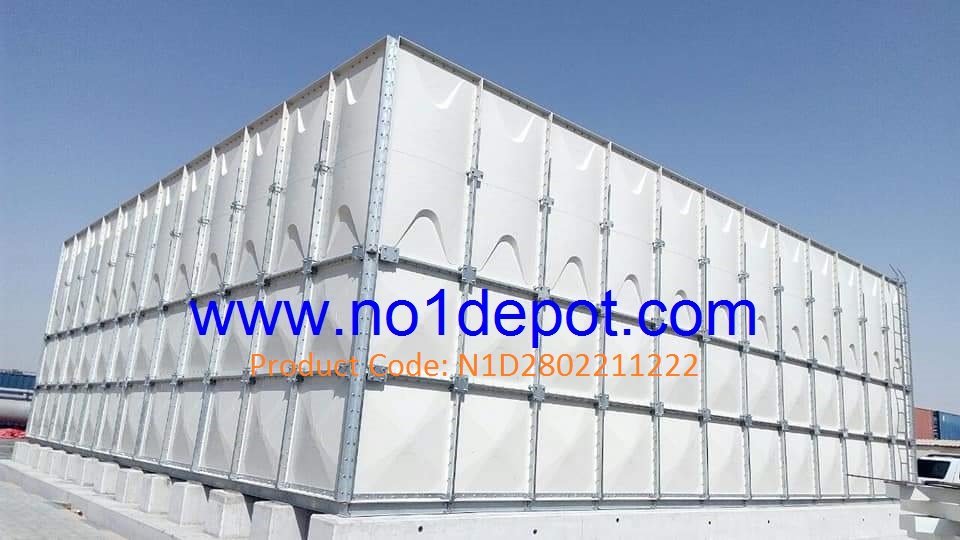
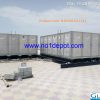
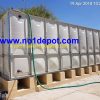
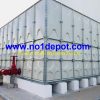
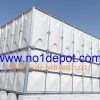
Water Tank (100,000 Gallons)
$253,687.00
Part No / Product Code: N1D2802211222
Product Name: Portable Water Tank / Portable Water Bladder
Usage: Mineral Water
Quality: Best
Minimum Order: 1
Capacity: 100,000 Gallons
Other Available Sizes: 50000 Gallons – 10,000,000 Gallons (Per any type of you requirement / your requested size / capacity )
Price By: Piece (Included Delivery Charges and Clearance to any country of Asia)
Design Standard: AWWA, NFPA, EPA, ANSI, FM
Warranty: 20 Years
e-Mail Us: no1depot@gmail.com
The above tank model is preset for a typical installation. Additional options and accessories are available. Feel free to call us at no1depot@gmail.com if you have any questions, or need an alternate setup.
Product Information :
N1D manufactures fiberglass tanks according to NSF 61 and AWWA standards for potable water storage. Because of their lightweight design, this tanks are easy to transport and easy to install making them popular in remote areas and any other location where a dependable and clean water source is critical.
According to the World Health Organization, less than 1% of the water on Earth is readily available for human use and consumption. With this finite supply of resource it is clear why conserving potable water is a key focus of green building project designs.
This product requires a crane, (or when applicable a forklift) for offloading and placement.
Why Choose a Fiberglass Tank?
Specifying engineers and facility tank owners have many choices when it comes to materials of construction for water storage tanks. They have an even greater range of choices in manufacturers. Tank selection generally comes down to structural strength, corrosion resistance, water tightness, and ease and cost of installation. A Xerxes or ZCL fiberglass tank, installed above or below grade, is the clear choice when each of these important factors is analyzed. Here are some design and performance considerations when considering materials other than fiberglass.
Fiberglass vs. Concrete
Structural Design — While concrete is a strong material when used in buried tank designs, the flat tank top design is usually not rated for traffic load conditions without a design upgrade adding to the cost. Installation — Precast factory-manufactured tanks are generally limited to small capacities. Larger tanks are formed and poured in the field involving many days of site work, often in less than ideal conditions. One piece, factory-manufactured fiberglass tanks don’t require field-constructed seams/seals and can be installed in far less time, saving money.
Corrosion — Concrete, and the steel reinforcement that is typically required, can be subject to aggressive corrosive attacks. The solution often requires expensive liners that are likely to require inspection and maintenance.
Watertight Design — Concrete tanks, whether precast or field-constructed, do not offer the watertight design advantages or watertight test capabilities that a fiberglass tank offers. Concrete is vulnerable to cracking and leaking.
Fiberglass vs. Polyethylene
Structural Design — Similar to fiberglass, polyethylene (poly) tanks use geometry or shape to achieve a desired load rating. Thermoplastic materials have much lower modulus than reinforced thermoset materials such as fiberglass. As a result, poly tanks are generally limited with regard to common burial conditions such as groundwater table, burial depth and traffic loads. Buried fiberglass tanks are designed to withstand a wide range of these and other load conditions.
Installation — Poly tanks are generally not available for underground applications beyond individual tank capacities of 2,000 gallons. Applications that require a tank with a capacity greater than 2,000 gallons typically require installation that manifolds multiple small tanks together when poly tanks are used. The installation method of piping small tanks together to achieve a necessary capacity results in an inferior installation on many levels. Buried piping connections are often the point where leaks occur.
Fiberglass vs. Steel
Corrosion — Metal can’t match the rust and corrosion resistance of composites. With buried tanks, both internal and external tank corrosion are big concerns. Coatings and linings are the traditional protective choices with steel, which adds to cost and long-term maintenance. Also, coatings and linings are only as good as their surface preparation and application.
Installation — Underground steel tanks weigh as much as four times more than comparably sized fiberglass tanks, which adds to the installation costs and potentially limits the locations where steel tanks can be used. Much smaller and less expensive lifting equipment can be used.
Consider the following benefits:
Non-Corrosive — Fiberglass tanks are superior to alternative tank materials in the aggressive corrosive environments found in the grease collection tanks.
Ease of Installation and Pump Out — A lightweight fiberglass tank, with its cylindrical geometry, makes the installation and periodic pump-out process easy.
Traffic Load Design — Standard fiberglass tank designs, without expensive upgrades, can be conveniently installed outside a building in a parking area, maximizing property use.
Warranty — Our grease interceptor is backed by a 30-year limited warranty for internal corrosion.
IAPMO — Models listed by the International Association of Plumbing and Mechanical Officials (IAPMO) are also available.

Reviews
There are no reviews yet.